Author name: RightStuff

82911517

Ne pas juger le livre à sa couverture.

Les tatouages… L’adage nous dit de ne pas juger le livre à sa couverture. Cependant, il est difficile aujourd’hui d’imaginer une manière platoniquement pure de percevoir les individus de la mise en scène environnante, où la morale serait strictement détachée des visuels et où les valeurs et les attitudes se formeraient en évitant les jugements […]

Ne pas juger le livre à sa couverture. Read More »
82911517

Non giudicare il libro dalla copertina.

Tatuaggi… Il detto ci dice di non giudicare il libro dalla copertina. Tuttavia, oggi è difficile immaginare un modo platonicamente puro di percepire gli individui della messa in scena circostante, dove la morale sarebbe rigorosamente distaccata dalle immagini e si formerebbero valori e atteggiamenti evitando giudizi prematuri. In effetti, nelle situazioni quotidiane, l’interazione umana tende

Non giudicare il libro dalla copertina. Read More »

82911517

Nie oceniać książki po okładce.

Tatuaże… Powiedzenie mówi nam, żeby nie oceniać książki po okładce. Trudno jednak dziś wyobrazić sobie platonicznie czysty sposób postrzegania jednostek otaczającej je inscenizacji, w którym moralność byłaby ściśle oderwana od wizualności, a wartości i postawy kształtowałyby się przy jednoczesnym unikaniu przedwczesnych ocen. Rzeczywiście, w codziennych sytuacjach interakcje międzyludzkie mają tendencję do budowania w pewnym sensie

Nie oceniać książki po okładce. Read More »

82911517

Beurteilen Sie das Buch nicht nach seinem Umschlag.

Tattoos… Das Sprichwort sagt uns, dass wir ein Buch nicht nach seinem Einband beurteilen sollen. Eine platonisch reine Wahrnehmung der Individuen der umgebenden Inszenierung, in der die Moral strikt vom Visuellen losgelöst ist und sich Werte und Haltungen unter Vermeidung vorschneller Urteile bilden, ist heute jedoch schwer vorstellbar. In alltäglichen Situationen besteht die menschliche Interaktion

Beurteilen Sie das Buch nicht nach seinem Umschlag. Read More »

yhyMACHINE

The History of Tattoo Machines

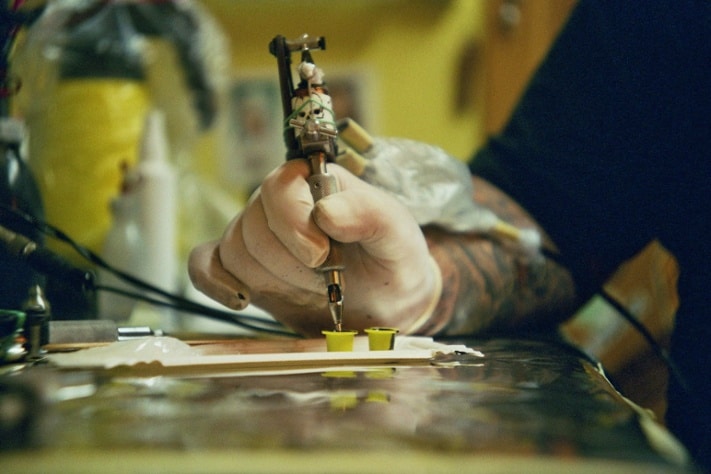
The history of tattoo guns began quite a long time ago. Let’s glance back at 1800s. In the beginning of the nineteenth century Alessandro Volta (intelligent chemist and physicist from Italy) invented very useful and common nowadays thing – electric battery. After all, the prototypes of first tattoo machines worked with batteries. Later in 1819

The History of Tattoo Machines Read More »

yhyMACHINE

La storia delle macchine per tatuaggi

La storia delle pistole per tatuaggi è iniziata molto tempo fa. Facciamo un salto indietro nel 1800. All’inizio del XIX secolo Alessandro Volta (intelligente chimico e fisico italiano) inventò una cosa molto utile e comune al giorno d’oggi: la batteria elettrica. Dopo tutto, i prototipi delle prime macchinette per tatuaggi funzionavano a batterie. Più tardi,

La storia delle macchine per tatuaggi Read More »

yhyMACHINE

L’histoire des machines à tatouer

L’histoire des pistolets de tatouage a commencé il y a bien longtemps. Jetons un coup d’œil aux années 1800. Au début du XIXe siècle, Alessandro Volta (chimiste et physicien italien intelligent) a inventé une chose très utile et courante de nos jours : la batterie électrique. En effet, les prototypes des premières machines à tatouer

L’histoire des machines à tatouer Read More »

yhyMACHINE

Historia maszynek do tatuażu

Historia pistoletów do tatuażu zaczęła się dość dawno temu. Spójrzmy na lata 1800. Na początku XIX wieku Alessandro Volta (inteligentny chemik i fizyk z Włoch) wynalazł bardzo przydatną i powszechną dziś rzecz – baterię elektryczną. Wszakże prototypy pierwszych maszynek do tatuażu działały na baterie. Później w 1819 roku słynny innowator z Danii, Hans Christian Oersted,

Historia maszynek do tatuażu Read More »

yhyMACHINE

Die Geschichte der Tattoo-Maschinen

Die Geschichte der Tätowierpistolen begann schon vor langer Zeit. Werfen wir einen Blick zurück in die 1800er Jahre. Jahrhunderts erfand Alessandro Volta (ein intelligenter Chemiker und Physiker aus Italien) etwas sehr Nützliches und Heutiges – die elektrische Batterie. Schließlich arbeiteten die Prototypen der ersten Tätowiermaschinen mit Batterien. Später, im Jahr 1819, entdeckte der berühmte dänische

Die Geschichte der Tattoo-Maschinen Read More »

traditional japanese tattoo 24

Japanese tattoos

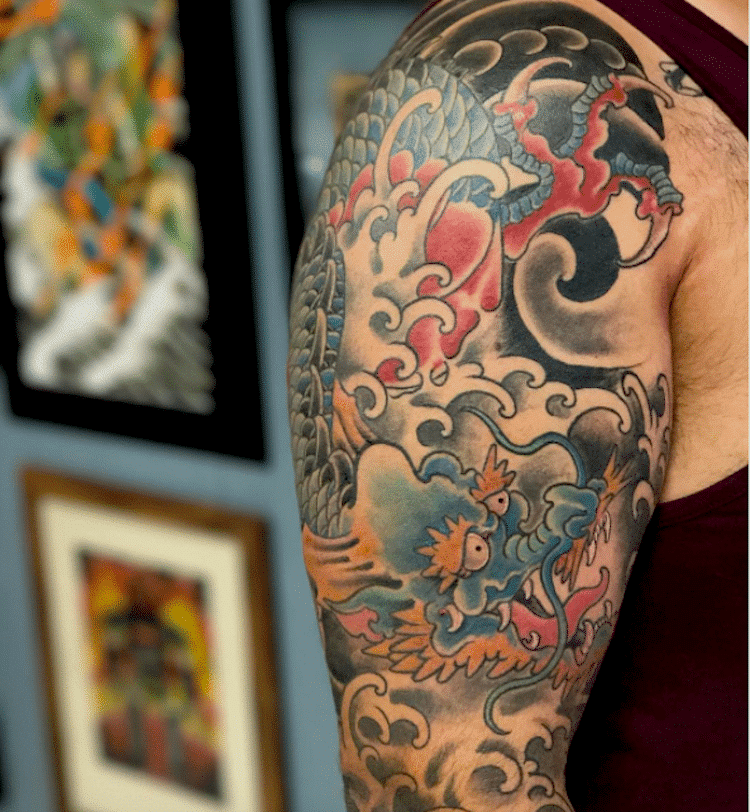
Delving into the Timeless Art of Japanese Tattoos Japanese tattoos, also known as irezumi, are a captivating form of body art that has captivated the world for centuries. With its intricate designs, rich symbolism, and deep cultural roots, irezumi has transcended the boundaries of time and geography, becoming a beloved art form that continues to

Japanese tattoos Read More »

traditional japanese tattoo 24

Tatouages japonais

Au XVIIe siècle, les shoguns japonais ont fermé le Japon aux étrangers et tous les étrangers ont été expulsés du pays. Le pays était totalement isolé. Seuls les Néerlandais pouvaient avoir une station commerciale à Nagasaki. Pendant ce temps, les Américains qui voyageaient dans la région du Pacifique manquaient toujours de charbon et avaient besoin

Tatouages japonais Read More »

traditional japanese tattoo 24

Tatuajes japoneses

En el siglo XVII, los shogunes japoneses cerraron Japón a los extranjeros y todos los forasteros fueron expulsados del país. El país estaba totalmente aislado. Sólo los holandeses podían tener una estación comercial en Nagasaki. Mientras tanto, los estadounidenses que viajaban por la zona del Pacífico siempre tenían escasez de carbón y necesitaban protección contra

Tatuajes japoneses Read More »

traditional japanese tattoo 24

Japanische Tattoos

Im 17. Jahrhundert schlossen die japanischen Shogune Japan für Ausländer ab, und alle Fremden wurden aus dem Land vertrieben. Das Land war völlig isoliert. Nur die Niederländer konnten einen kommerziellen Sender in Nagasaki haben. In der Zwischenzeit hatten die Amerikaner, die im pazifischen Raum unterwegs waren, immer einen Mangel an Kohlen und brauchten Schutz vor

Japanische Tattoos Read More »

traditional japanese tattoo 24

Tatuaże japońskie

W XVII wieku japońscy szoguni zamknęli Japonię dla cudzoziemców, a wszyscy obcy zostali wydaleni z kraju. Kraj był całkowicie odizolowany. Tylko Holendrzy mogli mieć komercyjną stację w Nagasaki. Tymczasem Amerykanie, którzy podróżowali w rejonie Pacyfiku, zawsze mieli niedostatek koksowania i potrzebowali ochrony przed sztormami dla swoich statków, szukając nowych ekspansji handlowych, w tym na ziemi

Tatuaże japońskie Read More »

Select your currency
Scroll to Top